
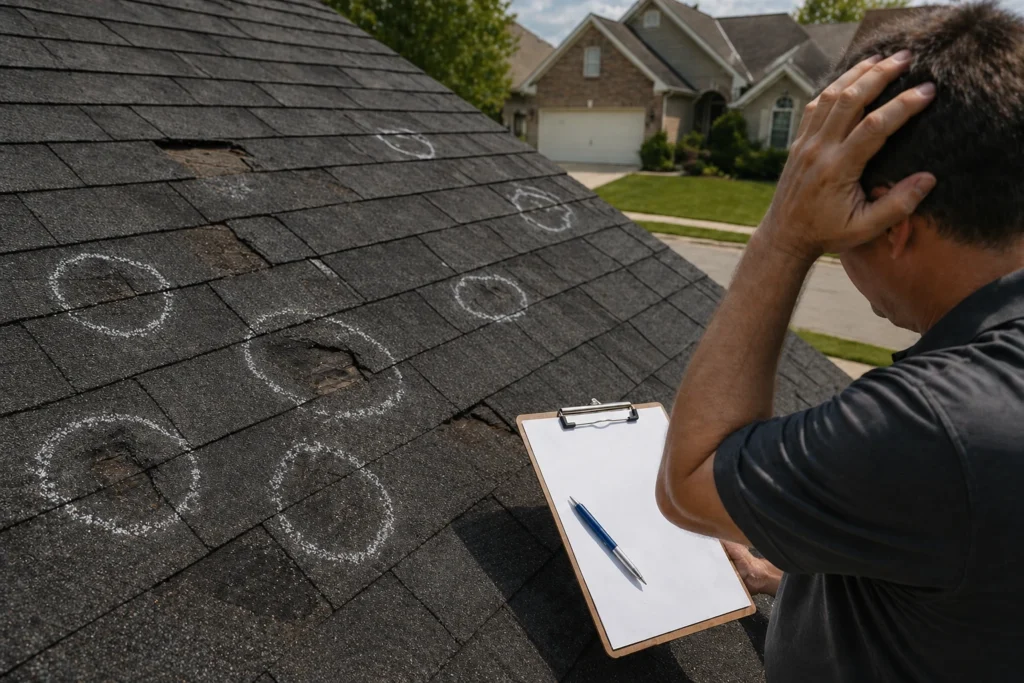
A denied claim hits hard. It stops your momentum, drains your confidence, and leaves you staring at a damaged roof with no clear path forward. But here’s the realityWhat to Do If Your Hail Claim Was Denied in Texas is not about giving up. It’s about shifting strategy. Because a denial is not the final answer. It’s simply the first response in a longer negotiation.
If you live in Plano, you already know how unpredictable hailstorms can be. One storm can impact entire neighborhoods, yet claim outcomes vary dramatically from one house to the next. That difference rarely comes down to luck. It comes down to documentation, persistence, and how well the claim is presented. This guide walks you through every step. Not theory. Not guesswork. Real actions you can take to challenge a denial and push your claim forward.
Why Hail Insurance Claims Get Denied in Texas
Insurance companies operate on evaluation. They assess, interpret, and decide. And sometimes, they get it wrong.
Here are the most common reasons claims are denied:
- No storm-related damage found
- Wear and tear classification
- Lack of documentation
- Delayed reporting
- Policy limitations or exclusions
The key insight is simple. A denial is based on interpretation. And interpretation can be challenged with better evidence.
Review Your Denial Letter Carefully
This is your starting point. Your denial letter explains why your claim was rejected. It also tells you exactly what you need to overcome.
Look for:
- Specific language used to justify the denial
- References to your policy
- Any deadlines for appeal
Red Flags
- Vague statements with no detail
- No photographic evidence included
- Generic wording not specific to your property
Every weak explanation creates an opportunity. You just need to identify it.
Get a Professional Roof Inspection Immediately

This step can completely change your outcome. A qualified inspection provides independent verification of damage. It also gives you documentation that carries weight.
Who to Contact
- Licensed roofing contractors
- Public adjusters
What to Expect
- Detailed photos
- Marked damage areas
- Written reports
- Material-specific analysis
A proper inspection doesn’t just confirm damage. It explains it in a way insurers cannot ignore.
How to Document Hail Damage for an Insurance Claim
Documentation is the backbone of your case. Without it, you’re relying on opinions. With it, you’re presenting facts. In fact, many homeowners search for guidance on How to Document Hail Damage for an Insurance Claim because this step alone can determine whether your appeal succeeds or fails.
What You Need
- Clear, high-resolution images
- Video walkthroughs
- Weather reports from the storm date
- Repair estimates
- Time-stamped records
Before-and-After Evidence
If you have older photos, use them. Real comparisons are powerful. They remove doubt and make your claim stronger. Organize everything. Label files clearly. Think like you’re building a case that someone else must understand quickly.
Understanding Cosmetic vs Functional Damage
This distinction causes many denials. Insurance companies often label damage as cosmetic. That means they believe the roof still functions properly. But cosmetic damage can lead to long-term problems.
Examples
| Damage Type | Insurance View | Real Impact |
| Granule loss | Cosmetic | Accelerates aging |
| Dents | Cosmetic | Weakens structure |
| Cracks | Functional | Leads to leaks |
Your goal is to show that damage affects performance, not just appearance.
Request a Re-Inspection or File an Appeal
This is where you take control. If you’re serious about understanding What to Do If Your Hail Claim Was Denied in Texas, this is the step that moves your claim forward.
How to Appeal
- Contact your insurer
- Request re-inspection
- Submit new evidence
What to Include
- Inspection reports
- Photos
- Written explanation
In Plano, where hail claims are common, adjusters often handle large volumes. Mistakes happen. Your appeal corrects them.
Hail Damage Claim Supplements: What Carriers Miss in Their Scope
Initial estimates are often incomplete.
Commonly Missed Items
- Flashing
- Underlayment
- Ventilation components
- Code upgrades
What Is a Supplement
A supplement adds missing items to your claim. It corrects the original scope and increases your payout.
Advanced Strategies After a Denial
Sometimes basic appeals are not enough.
Escalation Options
- Appraisal process
- Filing a complaint with regulators
- Legal action
Insurance decisions rely on complex evaluation frameworks. Some resemble mathematical models like [Eigenvalue], where outcomes shift depending on inputs and variables. In simple terms better evidence improves your result.
Public Adjuster vs Insurance Adjuster for Hail Claims in Texas
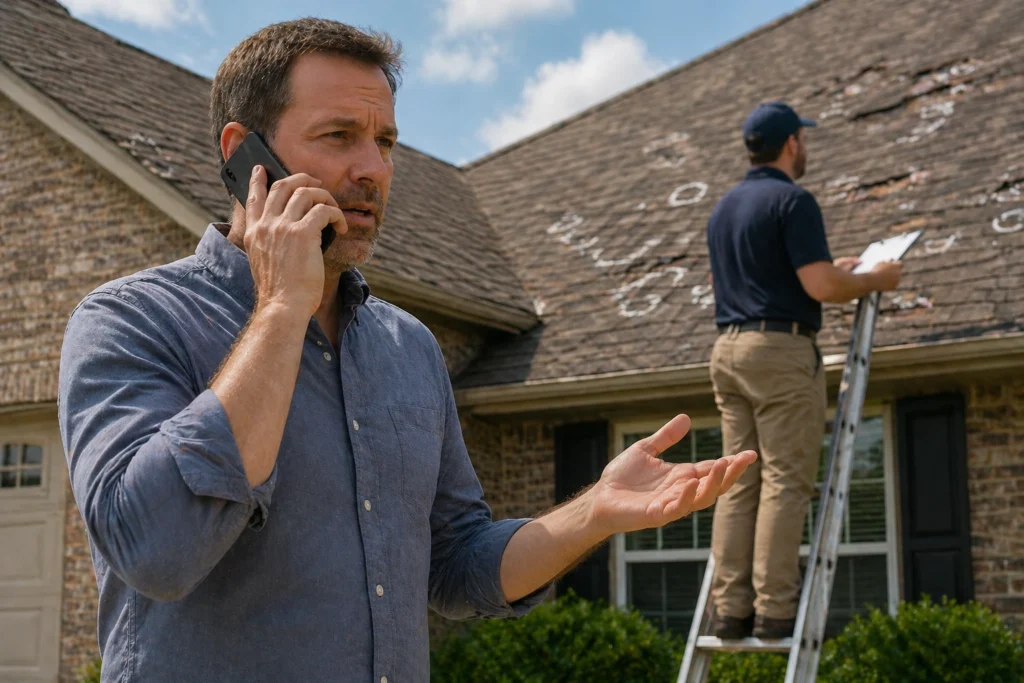
Understanding this difference is critical.
| Factor | Insurance Adjuster | Public Adjuster |
| Representation | Insurance company | Homeowner |
| Goal | Reduce payout | Increase payout |
| Payment | Salary | Percentage |
Public adjusters advocate for you. They analyze damage, build claims, and negotiate.
Common Mistakes After a Denial
Avoid these mistakes:
- Accepting denial immediately
- Waiting too long
- Weak documentation
- Hiring inexperienced contractors
- Misreading policy terms
Timeline: How Long You Have
- Appeal deadlines vary
- Legal limits often around two years
Act quickly. Delays weaken your position.
Local Insight: Denied Hail Claims in Plano
In Plano, hailstorms are frequent. Insurance companies are experienced in handling claims here.
That means:
- Faster inspections
- Stricter evaluations
- Higher documentation standards
Local expertise helps.
Step-by-Step Action Plan
- Review denial letter
- Schedule inspection
- Gather documentation
- File appeal
- Consider professional help
Final Thoughts: Take Control of Your Claim
If you’re facing a denial, remember this What to Do If Your Hail Claim Was Denied in Texas is not complicated. But it does require action. Review your denial. Gather evidence. Challenge the decision. In Plano, storms are unavoidable. But claim outcomes are not.
Take control. Stay organized. And don’t stop until your claim reflects the full extent of your damage.
FAQs
Yes, if you submit new evidence and request a re-inspection within your policy’s timeframe.
It depends on your policy, but acting quickly is critical to preserve your rights.
Review your denial letter carefully to understand the exact reason and next steps.
Clear photos, professional inspection reports, and weather data provide strong support.
If your claim is complex or undervalued, a public adjuster can significantly improve your outcome.
Yes, and this is a common reason for denial that can often be challenged with proper documentation.
No, appealing a denied claim does not directly raise your premium.
A supplement adds missed or underestimated damage to your original claim.
Yes, and getting a second opinion is often recommended.
Not always most claims are resolved through appeals, but legal action is an option if needed.